鑫景福致力于滿足“快速服務(wù),零缺陷,輔助研發(fā)”PCBA訂購單需求。

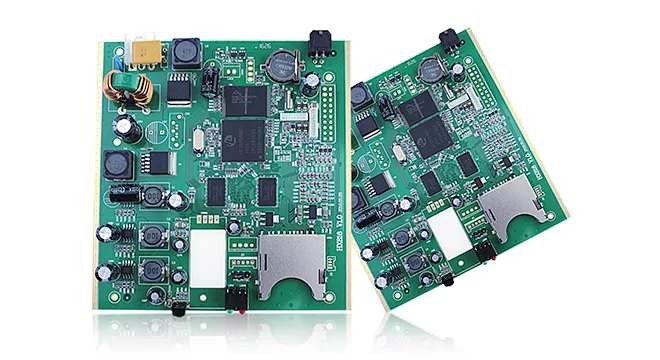

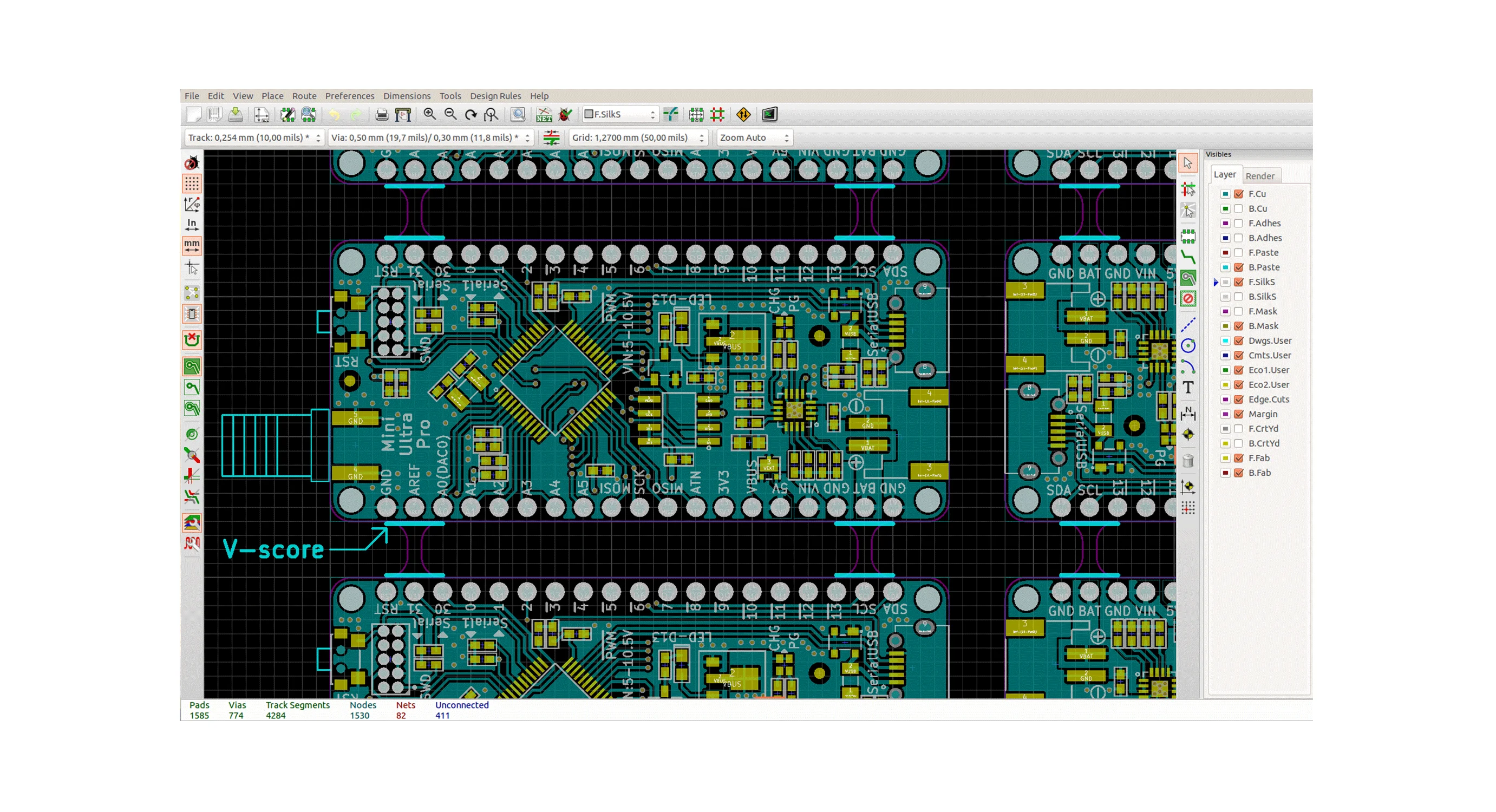

PCB制造
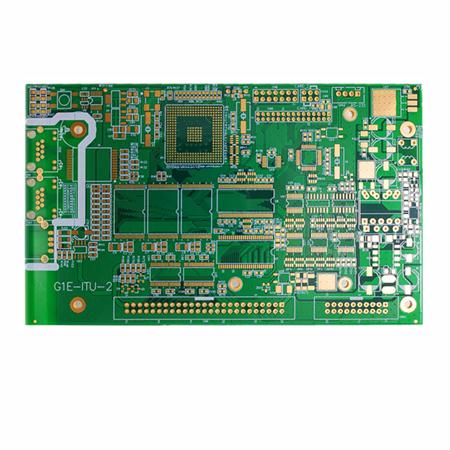
The heat generated during the operation of electronIC equipment makes the internal temperature of the equipment rise rapidly. If the heat is not dissipated in time, the equipment will continue to rise, the components will fail due to overheating, and the reliability of electronic equipment will decline. Therefore, it is very important to heat the circuit board.
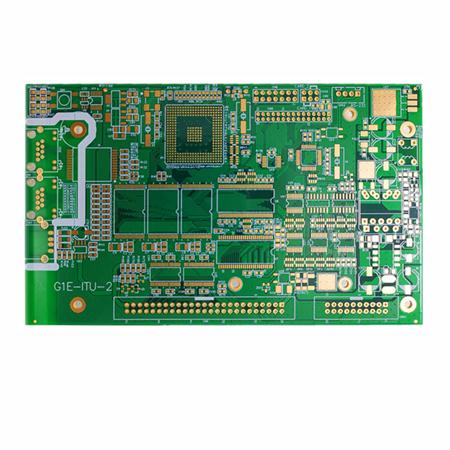
1、 Analysis of temperature rise factors of PCB
1、 I. Analysis of PCB temperature rise factors
The direct cause of PCB temperature rise is the existence of circuit power consumption devices, Electronic devices have power consumption in varying degrees, and the heat intensity varies with the power consumption.
Two phenomena of temperature rise in PCB:
(1) Local temperature rise or large area temperature rise;
(2) Short time temperature rise or long time temperature rise.
In analyzing PCB thermal power consumption, the following aspects are generally analyzed.
1. Electrical power consumption
(1) Analyze the power consumption per unit area;
(2) Analyze the distribution of power consumption on PCB.
2. Structure of printed board
(1) Dimensions of printed boards;
(2) Materials of printed boards.
3. Installation method of printed board
(1) Installation mode (such as vertical installation and horizontal installation);
(2) Sealing condition and distance from the casing.
4. Thermal radiation
(1) Radiation coefficient of printed board surface;
(2) Temperature difference between printed board and adjacent surface and their absolute temperature;
5. Heat conduction
(1) Install the radiator;
(2) Conduction of other mounting structures.
6. Thermal convection
(1) Natural convection;
(2) Forced cooling convection.
The analysis of the above factors of PCB is an effective way to solve the temperature rise of PCB. These factors are often interrelated and dependent in a product and system. Most factors should be analyzed according to the actual situation. Only for a specific actual situation can the temperature rise, power consumption and other parameters be calculated or estimated correctly.
2、 circuit board cooling mode
1. High heating element plus radiator and heat conduction plate
When there are a few components in the PCB with large heating capacity (less than 3), a radiator or heat transfer tube can be added to the heating components. When the temperature cannot be reduced, a radiator with a fan can be used to enhance the heat dissipation effect. When there are many heating devices (more than 3), large heat dissipation cover (plate) can be used. It is a special radiator customized according to the position and height of the heating devices on the PCB board, or different component high and low positions can be picked out on a large flat panel radiator. Buckle the heat shield onto the element surface as a whole, and contact each element to dissipate heat. However, the heat dissipation effect is not good due to the low consistency of components during assembly and welding. Usually, a soft thermal phase change heat conduction pad is added on the surface of the components to improve the heat dissipation effect.
2. Heat dissipation through PCB
At present, PCB boards that are widely used are copper clad/epoxy glass cloth substrate or phenolic resin glass cloth substrate, and there are a few paper based copper clad boards. Although these substrates have excellent electrical and processing properties, they have poor heat dissipation. As a heat dissipation way for high heating elements, they can hardly be expected to transmit heat from the resin of PCB itself, but to dissipate heat from the surface of the element to the surrounding air. However, as electronic products have entered the era of miniaturization, high-density installation and high heating assembly of components, it is not enough to rely only on the surface of components with very SMAll surface area for heat dissipation. At the same time, due to the large use of surface mounted components such as QFP and BGA, a large amount of heat generated by the components is transferred to the PCB board. Therefore, the best way to solve heat dissipation is to improve the heat dissipation capacity of the PCB itself in direct contact with the heating elements, which is transmitted or distributed through the PCB board.
3. Use reasonable wiring design to realize heat dissipation
Because the resin in the sheet has poor thermal conductivity, and the copper foil lines and holes are good conductors of heat, improving the copper foil residual rate and increasing the thermal conductivity holes are the main means of heat dissipation.
To evaluate the heat dissipation capability of a PCB, it is necessary to calculate the equivalent thermal conductivity (9 eq) of the insulating substrate for PCB, a composite material composed of various materials with different thermal conductivity.
4. For equipment cooLED by free convection air, it is better to arrange the integrated circuit (or other devices) in longitudinal or transverse direction.
5. The components on the same printed board shall be arranged in zones as far as possible according to their calorific value and heat dissipation degree. The components with low calorific value or poor heat resistance (such as small signal transistors, small-scale integrated circuits, electrolytic capacitors, etc.) shall be placed at the top (entrance) of the cooling air flow, and the components with high calorific value or good heat resistance (such as power transistors, large-scale integrated circuits, etc.) shall be placed at the bottom of the cooling air flow.
6. In the horizontal direction, high-power devices are arranged as close to the edge of the printed board as possible to shorten the heat transfer path; In the vertical direction, high-power devices shall be arranged as close as possible to the top of the printed circuit board, so as to reduce the impact of these devices on the temperature of other devices during operation.
7. The devices that are sensitive to temperature should be placed in the area with the lowest temperature (such as the bottom of the equipment), and should not be placed directly above the heating devices. Multiple devices should be staggered on the horizontal plane.
8. The heat dissipation of the printed circuit board in the equipment mainly depends on the air flow, so the air flow path should be studied during the design, and the device or printed circuit board should be reasonably configured. When air flows, it always tends to flow in a place with small resistance. Therefore, when configuring components on the PCB, it is necessary to avoid leaving a large space in a certain area. The configuration of multiple printed circuit boards in the whole machine should also pay attention to the same problem.
9. Avoid the concentration of hot spots on the PCB, distribute the power evenly on the PCB as much as possible, and keep the PCB surface temperature performance uniform and consistent. It is often difficult to achieve strict uniform distribution in the design process, but the area with too high power density must be avoided to avoid the occurrence of hot spots that affect the normal operation of the entire circuit. If conditions permit, it is necessary to conduct thermal efficiency analysis of printed circuit. For example, the thermal efficiency index analysis software module added to some professional PCB design software can help designers optimize circuit design.
10. The devices with the highest power consumption and heat generation are arranged near the best heat dissipation position. Do not place the components with high heat generation on the corners and surrounding edges of the printed board, unless there is a heat sink near it. In the design of power resistance, select a larger device as far as possible, and make it have enough heat dissipation space when adjusting the layout of the printed circuit board.
11. The thermal resistance between high heat dissipation devices and substrate shall be reduced as much as possible when they are connected. In order to better meet the requirements of thermal characteristics, some thermal conductive materials (such as a layer of thermal conductive silica gel) can be used on the bottom of the chip, and a certain contact area can be maintained for heat dissipation of the device.
12. Connection between device and substrate:
(1) Shorten the device lead length as far as possible;
(2) When selecting a high power consumption device, the thermal conductivity of the lead material should be considered. If possible, the largest lead cross-section should be selected as far as possible;
(3) Select the device with more pins.
13. Packaging selection of devices:
(1) In consideration of thermal design, attention should be paid to the package description of the device and its thermal conductivity;
(2) It should be considered to provide a good heat conduction path between the substrate and the device package;
(3) Air partition shall be avoided on the heat conduction path, and heat conducting materials can be used for filling if this is the case.
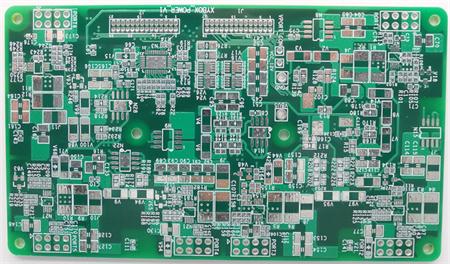
Improved PCB welding method
11-08,2022

抖音二維碼

Q Q二維碼

微信二維碼
點(diǎn)擊
然后
聯(lián)系
然后
聯(lián)系
電話熱線
13410863085Q Q

微信

- 郵箱